
Agriculture helps veterans find renewed purpose
Vets on the Farm provides participants with financial, farming, sales experience
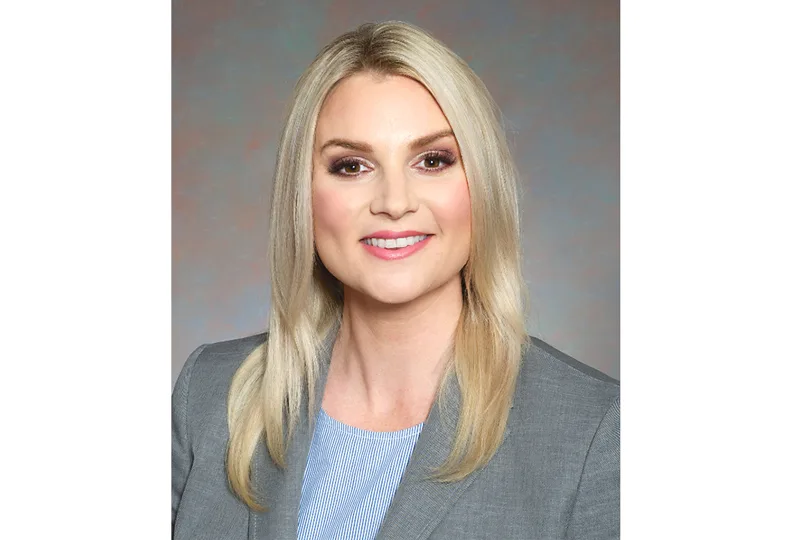
Sonja Jensen is Washington state president for AgWest Farm Credit in Spokane, and a Vets on the Farm volunteer.
| AgWest Farm CreditAgriculture has long depended on people willing to learn by doing. But for many would-be producers, especially those who have served their country and are now looking for a second career, getting started in farming can be difficult. Entering the industry without land, equipment, or family experience only adds to that challenge.
In Spokane, Vets on the Farm is one example of how local resources, relationships, and real-world training can help make that path more accessible.
That support comes to life each summer, when AgWest Farm Credit interns and staff join veterans for one of the farm’s largest volunteer days of the year. The July event brings people together in the field to weed, harvest, and support the day-to-day work that keeps the program moving.
For AgWest, it's one tangible way to support a Spokane Valley-based effort that gives veterans field experience, community, and a clearer way into agriculture. AgWest’s support began in 2015 with a $6,000 startup grant to the Spokane Conservation District, the program’s founding organization. The grant helped launch the infrastructure and training needed to move Vets on the Farm from an idea to a working farm.
“Without that early funding and support, Vets on the Farm might have remained just an idea, more like ‘Vets in the Wind,’ rather than a real, functioning program," says Vets on the Farm manager and 21-year Air Force veteran Grant Weber.
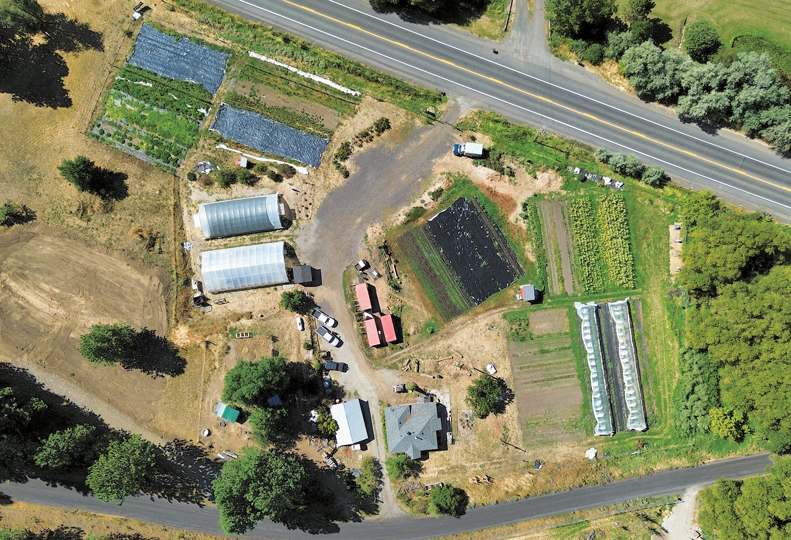
The funding was one piece of a practical foundation that also included land. With a no-cost lease from Valleyford-based Emtman Brothers Farms for 3 acres along the northern edge of the Palouse Highway, Vets on the Farm has grown from a working farm initiative into an important route for new veteran producers.
The program focuses largely on organic vegetables, from garlic and lettuce to tomatoes and specialty greens, while also producing plant and flower starts and supporting participants’ growing interest in flowers and beekeeping. Along the way, veterans gain experience in greenhouse management, transplanting, harvesting, marketing, farm stand sales, and the financial side of farming, building skills that local agriculture needs.
Continued AgWest funding for training, mentorship, and stipends has helped grow Vets on the Farm into a community-rooted network that has served well over 500 veterans. Its involvement also has grown through direct participation. Over the past three years, AgWest’s volunteer participation at the farm has increased 44%, adding people power to the funding, training, and business education it provides. The effort reflects AgWest’s broader community commitment, which includes up to 24 hours of paid volunteer time each year for approved service activities.
That combination of funding, volunteer support, and hands-on learning helps create the kind of useful pathways that are increasingly important across the West as agriculture works to bring new producers into an industry with high costs of entry and a steep learning curve. For veterans, that transition can be even more complex. Through shared land, tools, training, markets, and mentorship, Vets on the Farm is giving participants renewed purpose.
“Some veterans have gone on to start their own farms or homesteads, teach agriculture courses, earn grants, sell produce, grow flowers, keep bees, or raise livestock,” says Ginny Weber, Grant’s wife and the program’s assistant farm manager. Like Grant, she is a 21-year Air Force veteran.
The Webers say they see veterans as a natural fit for agriculture, bringing discipline, adaptability, and a service mindset to an industry that needs its next generation of producers. For AgWest, that connection fits within broader efforts to help veteran farmers and ranchers access education, relationships, and financial resources.
 -Vets on the Farm
Vets on the Farm operates a farm stand on Wednesdays from noon to 6 p.m., at 7524 S. Ellis Road, in Spokane.
When Vets on the Farm can’t teach something directly, such as forestry, livestock, beekeeping, conservation, large-scale agriculture, or biological farming practices, the program connects veterans with experts at the Spokane Conservation District, Washington State University Extension, Spokane Community College, and other producers and partners. Through AgWest webinars, conferences, and in-person workshops, veterans build the financial and business management knowledge needed to turn agricultural experience into a sustainable operation.
But success is not measured only by those who move on to start something of their own. For Ginny, one of the strongest signs of the program’s growth is that veterans come back.
“The crazy, amazing part is that even if they start their own thing, they come back to us," she says. "No one ever 'leave leaves.' Sometimes it’s years later, but they still want to help. It’s a great feeling to know we’re making that impact.”
On the horizon, Vets on the Farm is exploring options to buy its leased property, a step that could help strengthen the program and the systems already in place. As the program looks ahead, support from local partners, donors, and volunteers will be important to preserving the trusted support that helps veterans before they reach a crisis point. The Webers describe it as a “hand up, not a handout,” an important model because, in some cases, that connection has helped save lives.
The Webers recall one young veteran who arrived at Vets on the Farm eager to work, even wanting to start weeding before sunrise. As they got to know him, they learned he was sleeping in his car and navigating deeper challenges. They connected him with a veteran support partner, helping him begin the process of accessing the resources he needed.
Ginny says the young veteran later returned and told the couple they helped save his life. For Ginny, moments like that make the demanding work — and uncertain funding — worth it.
The story of Vets on the Farm is rooted in Spokane, where a locally-grown program and a locally-based agricultural lender have found common ground in supporting veterans and strengthening agriculture. As the industry faces workforce and succession challenges, models like this show how practical resources, relationships, and training can help veterans get started and stay in agriculture for the long term.
Vets on the Farm sells produce from its farm stand on Wednesdays from noon to 6 p.m., at 7524 S. Ellis Road, in Spokane. The program also has two sales outlets. One, at the Scale House Market, at 4422 E. Eighth, in Spokane Valley, where a dedicated refrigerator stocked with Vets on the Farm products is available, and a weekend co-op with four other farms, open Saturdays and Sundays from 10 a.m. to 2 p.m.
Sonja Jensen is Washington state president for AgWest Farm Credit in Spokane, and a Vets on the Farm volunteer.
_web.webp?t=1790233399)