
Leaving a legacy through charitable giving
Estate planning helps create impact, reduce taxes, strengthen values
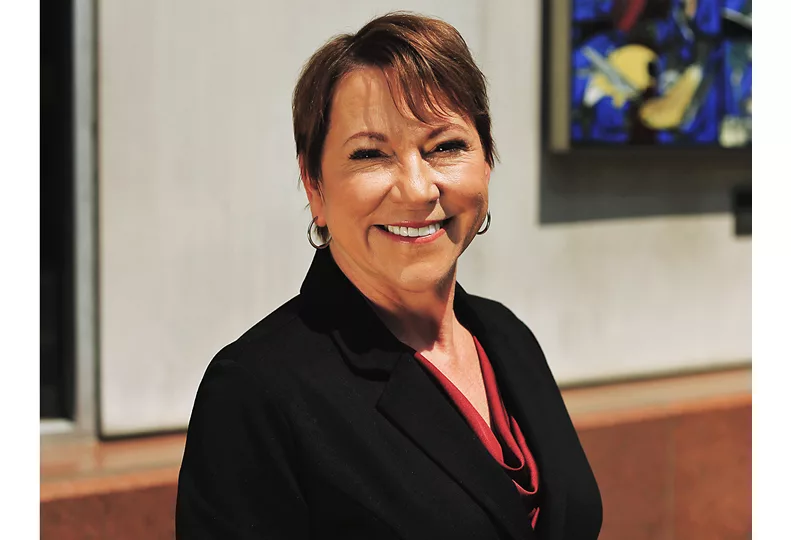
Holland McBurns is an estate and elder law attorney at Spokane-based Evergreen Estate & Elder Law and is licensed in Washington, Idaho, and Oregon. She can be reached at (509) 325-5222 or [email protected].
When people think about their legacy, they often think of family first. But many also want to leave the world better than they found it by supporting charities, churches, or causes close to their heart. Charitable giving through estate planning can achieve that goal while also offering meaningful financial and emotional benefits.
As an estate planning and elder law attorney who has helped hundreds of families design thoughtful, personalized estate plans, I often see charitable gifts overlooked in early planning conversations. Yet, charitable giving can be a powerful tool, not only to support important causes but also to create lasting impact, reduce taxes, and strengthen family values around generosity and community.
At its core, charitable giving in an estate plan means transferring assets to a charity either during your lifetime or after your death. Some people choose to name a nonprofit organization in their will or trust. Others name a charity as a beneficiary of a life insurance policy or retirement account.
These options are often simple and cost-effective to implement. For those with more complex estates or philanthropic goals, charitable trusts can provide flexibility and in some cases, even generate income during the donor’s lifetime.
The benefits of charitable giving through estate planning go beyond financial savings. For many clients, giving is about values—supporting causes they’ve championed during their lives or institutions that shaped who they are. Others find meaning in creating a family culture of giving, involving children or grandchildren in the decision-making process. It becomes more than a transaction; it becomes a legacy.
There are tax advantages, too. Giving to qualified charitable organizations can reduce the size of your taxable estate, potentially lowering or eliminating estate taxes for high-net-worth individuals. Certain types of gifts made during your lifetime can also qualify for income tax deductions. In the right circumstances, charitable giving can be a strategic part of a tax-efficient estate plan.
Still, charitable giving isn’t always the right fit for every estate. It’s important to understand that any amount directed to a charity is an amount not passed to heirs. That’s not necessarily a downside, but it’s something that should be discussed openly with loved ones to ensure clarity and avoid potential misunderstandings later on.
Some giving strategies, such as charitable trusts, can be complex and require careful legal drafting and tax coordination. However, many clients are surprised to learn that even small gifts can be structured simply and effectively with professional guidance.
Another important consideration is flexibility. Your charitable interests may change over time, and so might the financial circumstances of your family or your chosen charity. It’s a good idea to review your estate plan periodically to ensure it still reflects your wishes. What made sense ten years ago might not today.
The best charitable giving strategies are those that align with both your values and your financial goals. Whether you want to support your local animal shelter, provide scholarships, promote medical research, or fund global humanitarian efforts, your estate plan can be tailored to help you do so in a meaningful and tax-wise way. Even modest estates can make a significant difference when gifts are thoughtfully planned.
If you’re unsure where to begin, start by identifying the causes or organizations that matter most to you. Think about what kind of impact you’d like to have—not just on your family, but on your community or the world. Then, meet with an experienced estate planning professional who can walk you through your options and help you understand what makes the most sense for your unique situation.
You’ve worked hard to build what you have. With a bit of planning, you can ensure your legacy reflects your values—providing for loved ones, supporting your community, and leaving a mark that truly matters.
Holland McBurns is an estate and elder law attorney at Spokane-based Evergreen Estate & Elder Law and is licensed in Washington, Idaho, and Oregon. She can be reached at (509) 325-5222 or [email protected].
Stay Informed. It’s Free.
Subscribe to our newsletters and get the latest news and insights delivered to your inbox.
We respect your privacy.
Unsubscribe anytime.
Thank you!
You’re subscribed. Keep an eye on your inbox for the latest updates.