Forty years of dynamic market change
Industrial, office sector improvements help catalyze regional growth
In 1986, the Spokane real estate market was comprised of a central business district-centric office market, strip center retail with one open-air mall on the North Side, and an industrial sector of older buildings with low ceiling heights that dominated the Spokane Industrial Park. With interest rates in the low teens, new development was limited and most ownerships were local.
Since that time, Spokane and the real estate market here have experienced some dynamic changes. Along the way, we've had to navigate many headwinds. Some local banks have lost control or moved out of the market. Spokane's downtown core lost JCPenney, Crescent, and Macy's department stores. Deaconess Hospital changed hands twice. And the pandemic has forever changed the office market.
The office market has historically been centered around Spokane's central business district and the surrounding area. Over the last 40 years, new developers have added millions of square feet to the market. Suburban office expansion was somewhat driven by a demand for free parking, but also by the call center employment sector that blossomed in the '80s through the pandemic.
Developers here were willing to build speculative office space such as the Rock Pointe Corporate Center complex and the Iron Bridge office campus, both in Spokane; Pinecroft Business Park, in Spokane Valley; and Meadowwood Technology Campus, in Liberty Lake, which are some examples of quality projects that met the demand for a newer type of tenant looking to expand into our market.
The central business district retail market has evolved over four decades from Riverside Avenue, the skywalk system, and the former River Park Square, to a focus on Main Avenue catalyzed by the River Park Square redevelopment. As a mid-sized market, the retail sector in Spokane has always been important to maintaining a strong downtown core, and we are fortunate to still have a Nordstrom store along with some other brands that no longer occupy space in even Seattle’s core, such as Apple, Carhartt, and Lego. The Spokane Valley Mall and shopping centers at Northpointe Plaza and Evergreen Crossing further added opportunities for this expanding segment. Additionally, online shopping has caused the closures of historical stores such as Sears, Macy’s, and Emporium.
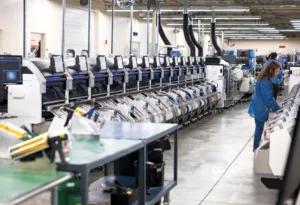
The industrial market has been strong with low single-digit vacancy rates. However, a lack of new projects with higher bay heights and sizes have been a challenge. New developers again provided a solution. We now find ourselves in a slightly overbuilt market however, historical absorption should help eliminate that in the next few years.
It has always been a goal for a strong central business district in Spokane. With the renovation of River Park Square as a catalyst, the Davenport Hotel was later remodeled, a crowning moment that led to many other smaller, yet impactful, projects that help create a still strong retail and tourist core.
In the last 10 years, notable properties including the Chronicle Building, the former Macy’s department store building, James S. Black Building, and the soon-to-be-completed Peyton Building have been converted into market-rate housing. Not only has this removed functionally obsolete office buildings from the market, it provides further vitality to the core.
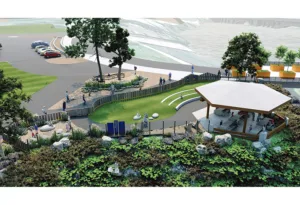
Our city and county leaders, along with voters, have supported the expansion of Riverfront Park, built the new ONE Spokane Stadium, expanded the Spokane Convention Center, and most recently constructed The Podium. These improvements, along with work at the Spokane County Fair & Expo Center and The Course Spokane Valley cross-country facility at Plantes Ferry, has led to enhanced developments in our hospitality sector, which is a major economic driver today.
In 1986, much of our real estate market growth was attributed to companies expanding in the area. In the last 40 years, our elected officials, economic development teams, and business leaders have worked hard to broaden the regional economy, resulting in improved transportation options, and lower real estate costs and cost of living.
In the future, I look forward to continued improvements with the caveat that we are able to maintain a clean and safe community with an affordable cost of living. We will still have challenges and continue to go through real estate cycles, but with strong leadership, our future is bright in the next 40 years.
Craig Soehren is a real estate broker at Spokane-based commercial real estate agency Kiemle Hagood.

_web.webp?t=1790233399)