
Catching up with: Mary McDirmid, co-founder of All Needs Planning
2019 Rising Star advocates for those with special needs
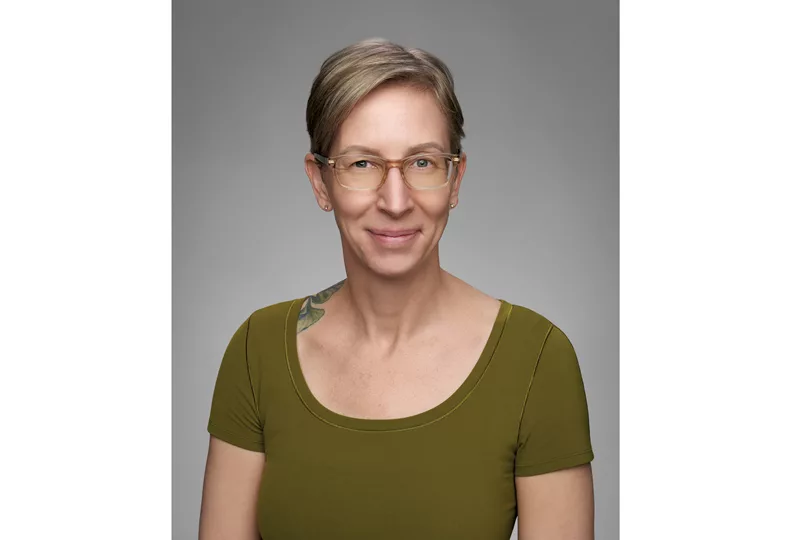
Mary McDirmid, co-author of "Care, Protect, Grow," says the new book targets people of all socioeconomic levels caring for a loved one with a disability.
| All Needs PlanningWhen Mary McDirmid was 20 weeks pregnant, she learned that while in utero, her daughter had developed tumors in her heart. The discovery led to an early diagnosis of tuberous sclerosis complex, a genetic disease that causes noncancerous tumors to grow in the brain and other areas of the body.
After her daughter Ruth was born, she spent 10 days in the neonatal intensive care unit. At 4-months-old, Ruth began to experience seizures. McDirmid says she was devastated, but also gained a new focus that reshaped her life and her career as a financial planner. McDirmid returned to her job at MassMutual Northwest following the experience and began serving as a special needs financial planner focused on helping families who are caring for loved ones with disabilities.
Today, Ruth is 9-years-old and has been on a “seizure vacation” since 2020. McDirmid now serves as the co-founder and chief financial planning and growth officer of Richmond, Virginia-based All Needs Planning LLC. Additionally, McDirmid is co-author of “Care, Protect, Grow,” a newly released book that offers families caring for loved ones with disabilities a roadmap to help protect their child’s future.
McDirmid, 44, celebrated the book’s publication date on May 12 by hiding copies around Riverfront Park and at inclusive playgrounds across Spokane, she says adding that she hopes the book will reach people of any socioeconomic level. In addition to the book’s release, her practice now offers tiered access to financial planning depending on a family’s financial means, including full-service financial planning, a monthly subscription learning lab, and a do-it-yourself book resource.
“Even if you don’t have a lot of money, you need to do the planning,” McDirmid says. “Our kids, the way the benefits system is set up, can have assets in their name their entire lives; you don’t get out of the planning.”
Co-authored by McDirmid and All Needs Planning co-founders Kristin Carleton, CEO and chief investment strategist; and Dr. Kathy Matthews, chief family strategist and advocate; the book addresses the systemic barriers that often make special needs planning difficult to access.
“Families are often forced to navigate a system that was never designed to be easy to understand,” McDirmid says in a press release. “This book brings those moving parts together in one place, helping families see how financial planning, care planning, and long-term decision making actually work together in the real world.”
The Journal last caught up with McDirmid in 2019 when she was named a Rising Star. At the time, she had advanced to serve as managing director and special care planner at MassMutual Northwest. She left the MassMutual in 2021 to build a model that provides financial planning but also includes broader aspects of caring for people with disabilities, she says.
“My model was wanting to provide more things for our families,” McDirmid says. “Sometimes, it’s not all financial or legal. We are just a different bird, right?”
In 2022, McDirmid opened her own special needs financial planning practice in Spokane. The following year, in 2022, she met Carleton and Matthews — who are also financial planners and mothers to children with special needs — at a conference. Although both Carleton and Matthews are based on the East Coast and McDirmid is based in Spokane, the trio realized they were all doing the same work and together could potentially reach more people across the country.
All Needs Planning was launched in February 2024.
“We were basically doing the exact same models just on different sides of the country,” McDirmid says. “So we said maybe we can do this better if we do it together.”
All Needs Planning is based in Richmond, Virginia, and operates an office in Spokane, at 1206 N. Lincoln, located northwest of Numerica Veterans Arena, at 720 W. Mallon.
In January, as a new member of the Providence Inland Northwest Washington Community Mission Board of Directors, McDirmid received an endorsement from CEO Susan Stacey. Stacey characterized McDirmid's book, "Care, Protect, Grow" as a "bible for navigating care of a special needs child from diagnosis through adulthood."
The launch of "Care, Protect, Grow" arrives as the nation faces a severe caregiver crisis. The book highlights a concerning reality: 1 in 10 children has a rare disease, one-quarter of all families are supporting an individual with a disability, and many caregivers are dedicating over 40 hours per week to unpaid caregiving labor. Adding to this strain, families supporting a loved one with a disability typically require 30% more in annual income to maintain the same standard of living.
In Washington state, families who care for a person with a disability are eligible for placement on a Medicaid waiver system that allows for care at home while relieving parents and family members, McDirmid says. However, she adds that the caregiver shortage makes it difficult to find someone to hire.
“Now, me finding a caregiver to fulfill those caregiver and respite hours is almost impossible,” she says. “In our state structure, it goes through the legislation as utilization. So, if I don’t use my hours, it looks like I don’t need the benefit, and the fact is, I can’t find anybody.”
Washington state does give families autonomy to recruit their own caregivers through a process that allows people 18 or older to become caregivers upon completion of required training. McDirmid champions the idea of paying parents as caregivers for their minor children, noting that the duties of both parenting and caregiving are deeply intertwinded.
McDirmid also advocates for expanded genome sequencing and testing while babies are in the NICU. Currently, rare diseases take between seven and nine years to be diagnosed, she says. She has also advocated for the creation of a Rare Disease Advisory Council in Washington state.
Financial planning for a loved one with a disability is highly individualized, with McDirmid identifying a broad spectrum of need ranging from $700,000 to $5 million. There are different variables at play; some groups qualify for state benefits and can receive housing later in life. However, some people with conditions such as autism, don’t receive the same degree of support but may still require lifelong care.
“Our systems aren’t built to support someone that’s in the in-between,” McDirmid says.
McDirmid is not new to caregiving for a loved one with a disability, explaining that her father was diagnosed with Parkinson’s Disease when she was 10, and she cared for and advocated for him for the rest of his life. Giving birth to a child with a disability has sharpened her focus to an entire class of people navigating the challenges of planning, caring, and living with someone with a disability.
“You know when you see a new lens of something, you’re like ‘Oh, look at all the people out here living this life,’” she says. “These people have been around me this whole time; they’ve all needed help this whole time.”