Bankers preserve relationships amid tech advances
Personal connections remain essential to meet evolving customer demands
Congratulations to the Spokane Journal of Business on 40 years of exceptional business reporting. While I’m not necessarily thrilled to admit I have worked through the evolution of the financial industry in the region for the last 40 years, it’s been exciting to be a part of and see our industry grow and evolve. Many of the areas the industry has changed in the last four decades will continue, albeit in different ways.
The industry has gone through tremendous consolidation, both locally and nationally. In 1980, there were 12,927 stand-alone banks in the U.S. Now, there are less than 4,500. This has been primarily the result of market forces — think recession — but this trend is likely to continue with the loosening of the regulatory environment under the current administration.
The type of bank, geographic footprint, ownership structure, and corporate strategy also factor into bank consolidation in our region. As a private bank, Washington Trust Bank maintains a belief in growing organically — one customer and one employee at a time. While more difficult to do, we believe this is of higher value than growth for growth’s sake through mergers and acquisitions.
As with all industries, the onset of technology has been rapid. The banking industry has seen a move from in-person call centers to voice response systems, from the internet to mobile banking. Our first website launched nearly 30 years ago. Today, we are watching the evolution of artificial intelligence and digital currencies. Ask anyone under 30 if they even know what a checkbook is these days.
Today, there are over 10,000 different cryptocurrencies with new ones being introduced and some even failing at an accelerated rate, so the impact of digital currencies is hard to determine. Investor and philanthropist Warren Buffett argues that cryptocurrency assets lack intrinsic value and are not tangible. Only time will tell, but we will see digital payments continue to accelerate, and consumers and businesses will utilize new technologies at an accelerated rate. Because of the breadth and constant change in this space, banks will need to develop systems and frameworks to allow flexible digital currency payment models, regardless of type or channel.
AI will quickly drive change in all companies. As AI grows more efficient, it will certainly impact the labor market and may even eliminate certain jobs. To remain competitive, banks will need to implement AI and leverage its benefits to improve efficiency and better serve customers while staying aware of risks.
For instance, using large language models at an organizational level for things like automation requires a great deal of due diligence and testing to ensure accuracy and quality. But these innovations are all weighed against the developing palate of consumers. Banking is a relationship-based business; meeting with your banker to discuss something as sensitive as money is best done in person for many customers in our industry. AI may make the banker more efficient, but it will not replace the actual banker.
Just as modern technologies have made banking more sophisticated, fraud has become more sophisticated, too. Fake, but realistic videos, email romance scams, and identity theft are all prevalent. The ability to educate customers on new scams and how to respond continues to be a priority. The ability to know your customer and authenticate transactions will become more complex. The investment needed to implement new technologies will need to be matched with measures to protect against fraud.
What will not change is that banking will remain relationship driven.
The way in which commercial and retail bankers serve clients and the tools used to do so have changed markedly. The experience of a customer at a branch in 1985 is vastly different than today. And yet, at its core, banking is a relationship driven industry and this will remain the case moving forward.
Regionally, institutions have served multiple generations of families and businesses, helping them through growth cycles and downturns. With changing technologies and consolidation, it has become clear that customers seek consistency and familiarity in their banking. This is understandable when dealing with their money.
The combination of technology and personal relationships has driven the evolution of skills needed by frontline personal bankers. That same teller in 1985 is now expected to deliver a welcoming customer experience and accurately process transactions, but also open new accounts, provide consultative guidance, and troubleshoot technology problems, all while keeping an eye out for fraud.
This evolution is driving a demand for advanced training and cross-skilling to create professionals who can seamlessly manage multiple responsibilities. In a tightening labor market — which we will have for the foreseeable future — this poses a challenge to the industry to find and develop talent. But it is also a huge opportunity for workers, whether they’re just entering the workforce or making a career transition. As someone who began his banking career by painting parking space lines in Washington Trust Bank’s parking lots, I can attest to the opportunities available in this industry.
As the banking industry continues to evolve, one constant remains: the need to balance innovation with trust. Technology, consolidation, and shifting consumer expectations will keep reshaping the landscape, but success will hinge on institutions’ ability to adapt while preserving relationships as the core of banking.
For regional banks like Washington Trust Bank, this means investing in tools and talent that deliver efficiency without losing the personal connection customers value. Forty years of progress have shown that while change is rapid, relationships are critical. I believe banking continues to be a noble profession where financial institutions can invest in their people and community and be an economic engine that drives growth and opportunity for the communities they serve.
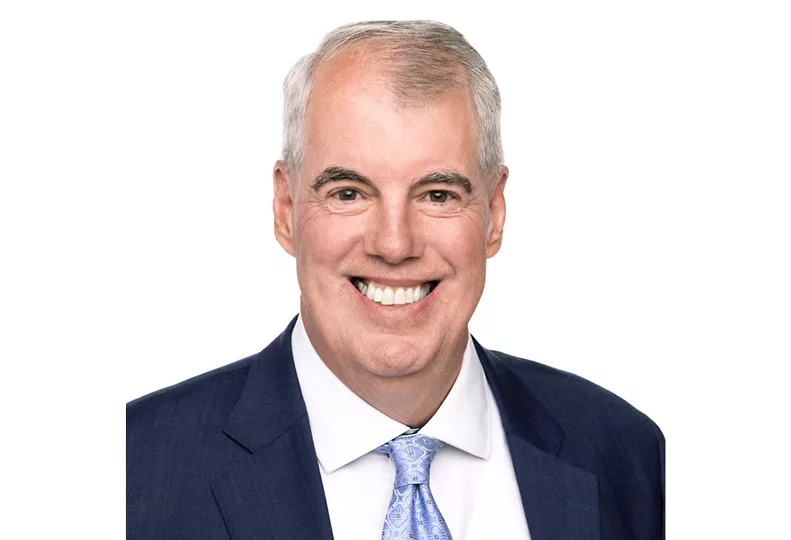
Jack Heath is CEO at Spokane-based Washington Trust Bank.