Expert insights...
The future of development is vertically integrated
What it means, why it matters, and how partners will benefit
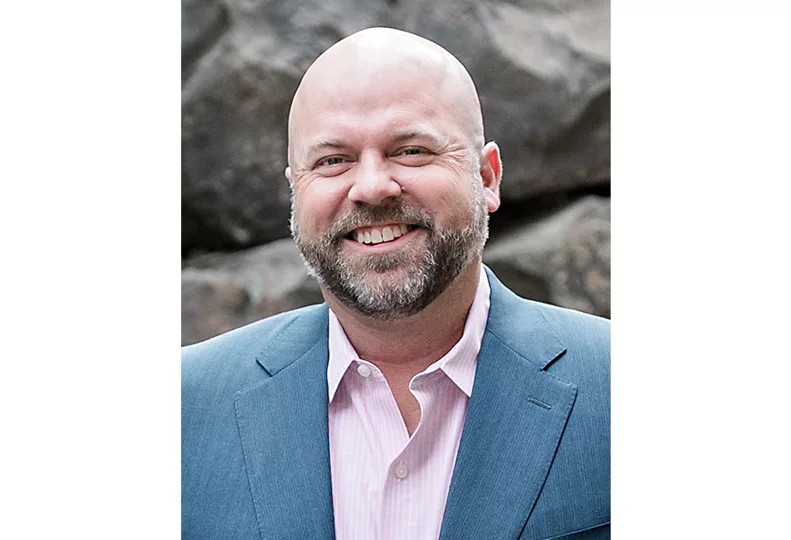
Steve Sunleaf is the principal owner of Spokane-based T.W. Clark Construction LLC and founder of Sunleaf Development LLC.
| T.W. Clark Construction LLCThe construction and development industry has changed significantly over the past two decades. Projects that once required a complex process involving a series of disconnected steps now are developed through a far more collaborative, strategic, and integrated approach.
The reality is that the costs are higher, timelines tighter, and the complexities of labor and financing keep challenging the industry. To stay competitive, we have to rethink how buildings move from concept to completion. Success requires more than strong builders. It requires partners who understand the entire lifecycle of a project.
As a result, many of the most successful developments now are driven by teams that can guide a project from the earliest stages of land acquisition all the way through construction, leasing, and long-term property management.
This is the future of commercial development: vertically integrated, for a seamless, nimble, and more effective project. Vertical integration might sound like a marketing buzzword, but at its core it is a real benefit to our region's developers.
For years, development followed a fairly linear model, with specialists focused on a single area of the project and nothing more. A developer would identify and acquire land, architects would design the building, contractors would construct it, and once the project was complete, another company might step in to handle leasing or property management. Each firm focused on its own role, often entering the project at different stages with limited visibility into decisions made earlier in the process.
It sounds good, keeping specialists focused in their areas, but the structure is riddled with hidden costs. Consider the designer working without full knowledge of construction costs, a potential misalignment of function and budget, or a construction strategy that prioritized speed, unaware of the inefficiencies that could occur later.
By the time a building reaches the leasing and management phase, many of the teams who shaped its early decisions are no longer involved. This can result in a lack of pre-leasing and marketing, phasing, and turnover of buildings in a poor leasing season. These can dramatically impact the project finances and cost hundreds of thousands of dollars in interest carry.
As the projects and world around us become more complex, the industry has increasingly moved toward a more integrated model, one where a single team remains involved throughout the life of the development. This is the foundation of vertically integrated development.
Rather than assembling separate teams for each phase, a vertically integrated partner helps guide a project from the earliest stages of development through construction to long-term success after completion. Where previously it was the project owner responsible for the overarching plan, we’ve moved to a model that shares that responsibility with an educated partner.
This continuity changes how decisions are made before construction even starts and long after a project is finished. Instead of each phase operating independently, every step of the project is informed by the full picture of how the property will perform over time.
Having a broader perspective helps eliminate the communication gaps that often occur when multiple teams are responsible for different stages of a project. When the same group remains involved from start to finish, knowledge carries forward throughout the process. Development and construction becomes a relay race rather than separate teams with individual finish lines.
For owners and investors, this level of coordination can significantly reduce risk. When responsibilities are divided among separate firms, even small misalignments can lead to delays, cost overruns, or operational challenges. A vertically integrated team helps streamline that process by aligning priorities from the beginning and ensuring goal continuity throughout the project.
In a traditional project structure, many participants complete their role once a permit is issued or construction ends. A vertically integrated partner, however, is involved from inception and often remains involved long after the building opens. This collaborative approach leads to clearer communication, faster decision-making, and a greater ability to anticipate challenges before they become costly problems.
This long-term perspective ultimately benefits owners, tenants, and the surrounding community. The future of development is not simply about building faster or reducing costs. It's about creating projects that perform well for decades, not just on opening day.
Vertically integrated teams are uniquely positioned to deliver that outcome. By bringing together experience in every stage of development, they create a level of coordination and accountability that traditional models often struggle to achieve.
As the development landscape becomes increasingly complex, that continuity is becoming one of the most valuable advantages a partner can offer. The most successful projects today are not just well built, they are thoughtfully planned, strategically executed, and managed with the entire lifecycle of the property in mind.
Steve Sunleaf is the principal owner of Spokane Valley-based T.W. Clark Construction LLC and founder of Sunleaf Development LLC.