High stakes of sustainability at Browning Beef
Spangle-based supplier aims to keep products affordable despite facing higher costs
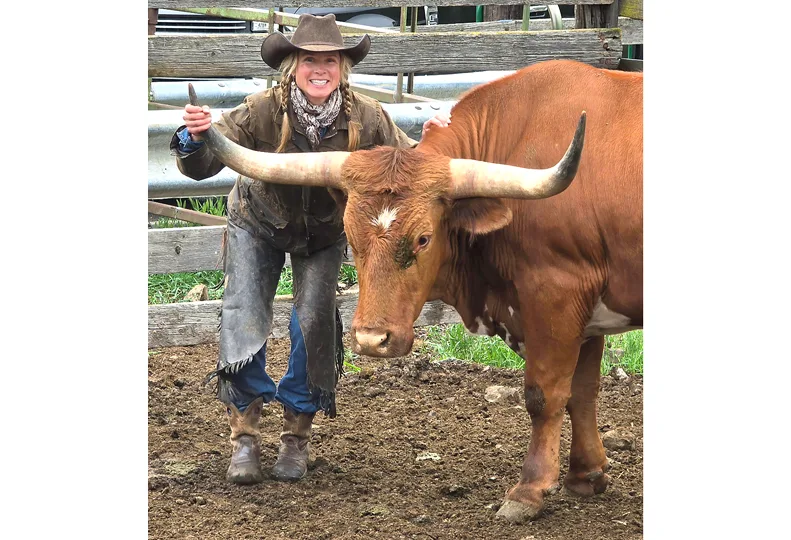
Frankie Browning, owner of Browning Beef LLC, helps raise cattle on her family's ranches near Spangle and Clarkston, Washington.
| Frankie BrowningAs Browning Beef LLC contends with higher cattle prices nationally, the Spangle-based beef supplier is working to keep prices low for consumers, says owner Frankie Browning.
The cost to purchase grass-fed and -finished steers from her family's ranch and process them has jumped due to low cattle inventories in the U.S. herd, Browning says.
“The American ranch is disappearing — people aren’t doing it anymore,” she says. “There’s still a demand for beef, but there’s less (beef) out there, so it’s driving the cost up.”
Browning has increased prices for locker beef, which is sold by the whole animal or a portion of the animal, and cuts by the pound within the last year. Revenue is used to meet the costs of purchasing and processing pricier steers, she says, adding that her aim is to keep both the company's financial needs and customers' budgets in mind when setting prices.
“Live beef prices are so high right now that it's nearly pricing me out of the market, because I can only raise my prices so high to the consumers in this area,” she says.
Live steer costs began increasing in fall 2025, she explains. Currently, Browning pays $5 per pound for the hanging weight of a steer — how much an animal’s carcass weighs after processing — up from $3.50 a pound in mid-2025. The average hanging weight of steers Browning purchases is between 450 and 650 pounds, meaning any price increase significantly impacts the company’s margins, she says.
The average price per pound of ground beef climbed slowly between 1985 and 2010 — from $1.28 per pound in January 1985 to $2.28 per pound in January 2010, according to Bureau of Labor Statistics data. Prices increased to $3.89 per pound in January 2020, before rising to $6.75 per pound in May 2026.
However, grass-fed and -finished beef, such as the kind Browning Beef supplies directly to consumers, is more expensive, according to the Department of Agriculture’s latest National Grass Fed Beef Report. Ground beef that is 90% lean or more, as Browning Beef’s product is, costs an average of $13.63 per pound as of June 2026, according to the report.
Browning aims to price her products within the range the USDA provides, she says. Prices for the company’s other beef products, including steaks, roasts, and whole processed animals have also risen in the past year to make up for the higher cost of live steer purchases from Spangle-based Browning Ranch LLC, a separate entity operated by Browning's husband, Bill Browning. Steers are sent to Odessa, Washington-based Limitbid Packing LLC for processing and sent back to Browning to sell.
“Realistically, I need to raise our steak prices right now,” she says. “They feel high to me, but they're not high enough for how fast they're moving off the shelves."
Browning is the company’s only full-time employee and works alongside a part-time seasonal employee, she says.
Despite increasing operating expenses, the company has grown sales year over year, she says, noting that a core group of customers are maintaining purchases.
In 2025, Browning Beef sold roughly 35,000 pounds of beef and earned $450,000 in gross revenue, she says, adding that revenue is trending upward. Browning Ranch maintains between 200 and 300 cow-calf pairs and is slowly growing the herd, which contributes to Browning Beef’s growth.
A mother cow and her unweaned calf usually are sold as a single unit, she explains, and a cow-calf pair is how Browning measures the number of cattle in Browning Ranch's herd.
“As long as the ranch can continue to grow and provide Browning Beef with more cattle, then we'll keep growing,” she says.
Six of the 10 steers processed each month are sold as quarters, halves, or whole locker beef. The remaining four are processed into individual parts, including rib-eye steaks or stew meat, and sold at farmers markets and restaurants throughout Spokane County.
Browning started selling Browning Ranch’s beef as a side business alongside her teaching career in the early 2000s before founding Browning Beef in 2017, she says. Browning Beef has since grown to be her family’s main source of income.
Most of Browning Beef's product is sold seasonally at Fairwood Farmers Market and Liberty Lake Farmers Market, she says. Browning Beef products also are sold year-round at the Scale House Market, at 4422 E. Eighth, in Spokane Valley. The company also offers other purchasing options including a ground beef subscription and customers can purchase products online for pick up at locations in Spokane and Spokane Valley, she says.
The company supplies restaurants, including Billie’s Diner, at 13008 W. Sunset Highway in Airway Heights; Jewel of the North Neighborhood Gastropub, at 1924 W. Pacific in Spokane's Browne’s Addition neighborhood; and the Spencer’s for Steaks & Chops restaurant at 322 N. Spokane Falls Court in downtown Spokane.
“People love to meet the human and hear the story, and once they try the product, then it's easy to drive into the online sales,” Browning explains.
Browning attributes the company’s ongoing growth to Browning Ranch’s focus on sustainable grazing and stewardship practices, and to her customers who continue to support Browning Beef despite price increases.
“We have great customers, and they're the best humans on earth,” she says. “They're trying to do right by themselves, their health, and the planet. … Once people try the product and they know the value and the health of what they're buying, they know that our price point is actually below the national average, but for this area, it feels expensive.”