Driverless taxi service eyes Spokane-area launch
Inland Robotaxi expects to introduce Tesla Cybercabs to region within two years
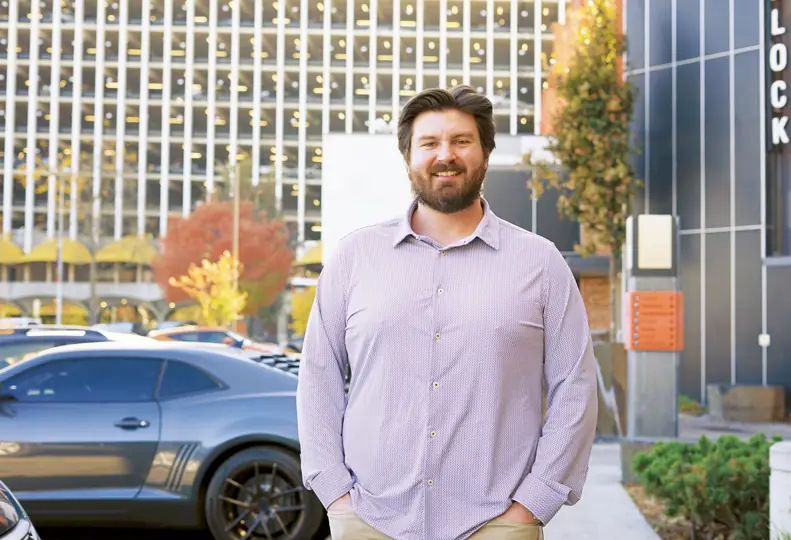
Inland Robotaxi owner Connor Christie is preparing to launch a fleet of five Tesla Cybercabs in Spokane.
| Matt StephensA Spokane-based startup is preparing to introduce autonomous taxi service to the Inland Northwest, with plans for a fleet of driverless Tesla Cybercabs and an operations hub in Liberty Lake.
Connor Christie, owner and founder of Spokane-based Inland Robotaxi LLC, established the company to bring driverless transportation to Spokane, Spokane Valley, Liberty Lake, the Spokane International Airport, and North Idaho. He's launching the company with a fleet of five Cybercabs after they become commercially available, he says.
Christie currently is awaiting vehicle availability and regulatory approval to move forward with his plans. He says he expects the first Cybercabs to reach Spokane in up to two years.
Christie developed the business concept two years ago following Tesla's announcement of plans to manufacture fully-autonomous vehicles. So far, he's established a business license and has submitted an interest form to Tesla requesting five vehicles.
"I'd much rather have something in place today to show Spokane," Christie says. "So when the cabs are ready, my company presence is already here."
The Cybercab is a two-passenger electric vehicle designed exclusively for autonomous transportation. Unlike conventional automobiles, Cybercabs have no steering wheels or pedals and operate through cameras, artificial intelligence, and onboard computing systems to navigate roads, according to Tesla's website.
The autonomous vehicles feature butterfly-style doors, a central touchscreen, luggage storage, and wireless charging capabilities.
Christie is developing his business model around Tesla's previously announced $30,000 target price per Cybercab. A five-vehicle fleet is estimated to cost $150,000, excluding charging infrastructure, insurance, maintenance, and property expenses, he explains.
The price point stems from Tesla's camera-based autonomous driving system, which Christie explains eliminates the use of lidar sensors. The final investment total will depend on production costs and the financial arrangements Tesla establishes with independent fleet owners.
"Obviously, their proposed price may fluctuate a bit before final production," Christie says. "However, the price will still be considerably lower than the (other companies), so I am following their progress and will be bringing Cybercabs to Spokane as soon as possible."
Regulatory requirements are presenting another obstacle, as Washington requires autonomous vehicle testing companies to complete a self-certification process and maintain at least $5 million in liability insurance per occurrence. Christie says commercial passenger operations likely would face additional requirements.
His initial plans for a facility are focused around a hub in Liberty Lake, where he says vehicles would return for charging, cleaning, and maintenance. Christie's vision includes a secured parking area equipped with covered wireless charging stations and an automated cleaning bay with robotic equipment that would clean vehicle interiors between trips. Plans to select a location and establish a development budget are unavailable.
As planned, operating base would send one or two vehicles to downtown Spokane, another one or two vehicles to Spokane Valley, and one to the airport, he says, adding that initial ridership data will help determine future operating standards, so he can adjust to fit customer needs.
"Tesla will be tracking all of that data right away," Christie says. "So I can tap into that information early on and determine where and when I need to have cabs available."
Christie is planning to double his future fleet to 10 vehicles, using revenue from early operations to support the anticipated growth over the next five years. Potential regional expansion includes Coeur d'Alene, Deer Park, Airway Heights, and other communities throughout Spokane and Kootenai counties. The Tri-Cities also is a future market following established operations in Spokane.
To get a ride, passengers will request pick up through Tesla's Robotaxi app, which handles reservations, payments, and passenger communications. Inland Robotaxi will own and maintain the vehicles under Christie's proposed operating model.
He doesn't anticipate investing heavily in traditional advertising once the service launches, instead relying on the Cybercabs' distinctive appearance and technology features to generate interest.
"When people see it, it will market itself," Christie says.
Tesla began Cybercab production earlier this year at its gigafactory manufacturing facility in Austin, Texas, according to the company website. In September, Tesla introduced limited public Cybercab rides in Austin, deploying a fleet of the two-seat vehicles. Its broader Robotaxi network also operates in Dallas, Houston, Miami, Orlando, and Tampa, primarily using modified Tesla Model Y vehicles.
Tesla is accepting inquiries from prospective commercial Cybercab buyers, although the company hasn't announced a delivery schedule or final purchase price for independent fleet operators.
Despite the uncertainties, Christie sees opportunities for autonomous vehicles to compete with conventional ride-hailing services through consistent availability and reduced dependence on human drivers.
"It's never tired. It's never sick. It's never distracted," Christie says of the autonomous driving service.
With Tesla's Cybercabs now carrying passengers in Austin, Christie says he's waiting for the manufacturer to open sales to independent fleet operators and for Washington's regulatory framework to accommodate the service.
Those developments, he says, will determine when Inland Robotaxi can move into hub development and begin operations.

Stay Informed. It’s Free.
Subscribe to our newsletters and get the latest news and insights delivered to your inbox.
We respect your privacy.
Unsubscribe anytime.
Thank you!
You’re subscribed. Keep an eye on your inbox for the latest updates.