Real Estate & Construction
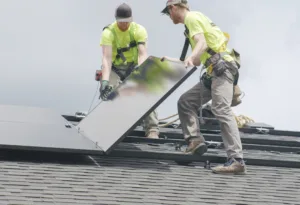
Solar work rises ahead of tax credit deadlines
One Big Beautiful Bill Act
to eliminate key incentive
for commercial projects
Read More
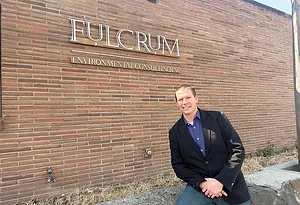
Wildfires add to Fulcrum's growing workload
Environmental consulting
firm looks to hire, expand
with new satellite location
Read More

Hazardous material teams sweep fire zones
EPA, regional companies
provide removal work at
no cost to property owners
Read More
_web.webp?height=400&t=1787814240&width=300 "Habitat-(2)_web.jpg")
Habitat moves forward with 25-unit Valley project
Multifamily development named in honor of East Central community leader
Read More

Loan Peak focuses on new construction homes
Cd'A's Lakeside Cos. pairs
with Texas lender to launch
Inland Northwest company
Read More
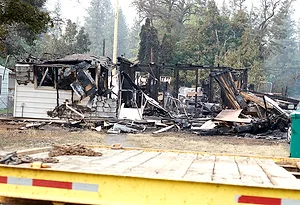
Staffing agency provides disaster relief workers
Demand for laborers expected
to climb as rebuilding begins
Read More
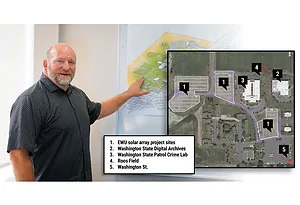
EWU pushes forward with green energy plans
School's sustainability path
includes solar array, carbon
reduction, geothermal heat
Read More

Guest commentary:
Real estate market expectations after wildfires
Recovery to include strong
competition, challenges due
to insurance, permits, costs
Read More

Is Spokane's apartment market overbuilt?
Overall vacancy is above 8%,
but some buildings sit at 30%
Read More